
- What is a VPN?
- Features
-
- Download VPN
-
-
Desktop
- Windows VPN
- macOS VPN
- Linux VPN
-
Mobile
- Android VPN
- iOS VPN
-
Browser Extensions
- Chrome Extension
- Firefox Extension
- Edge Extension
-
-
- Pricing
- Support
- VPN News
In this article:
- Why online activity is easy to monitor
- The risks of public Wi-Fi networks
- How online tracking affects everyday users
- What a VPN does to protect privacy and security
- Why choosing a trustworthy VPN matters
- How VPNs support safer and more consistent internet access
- Making informed decisions about online privacy
Why You Should Use a VPN: A Practical Guide to Privacy
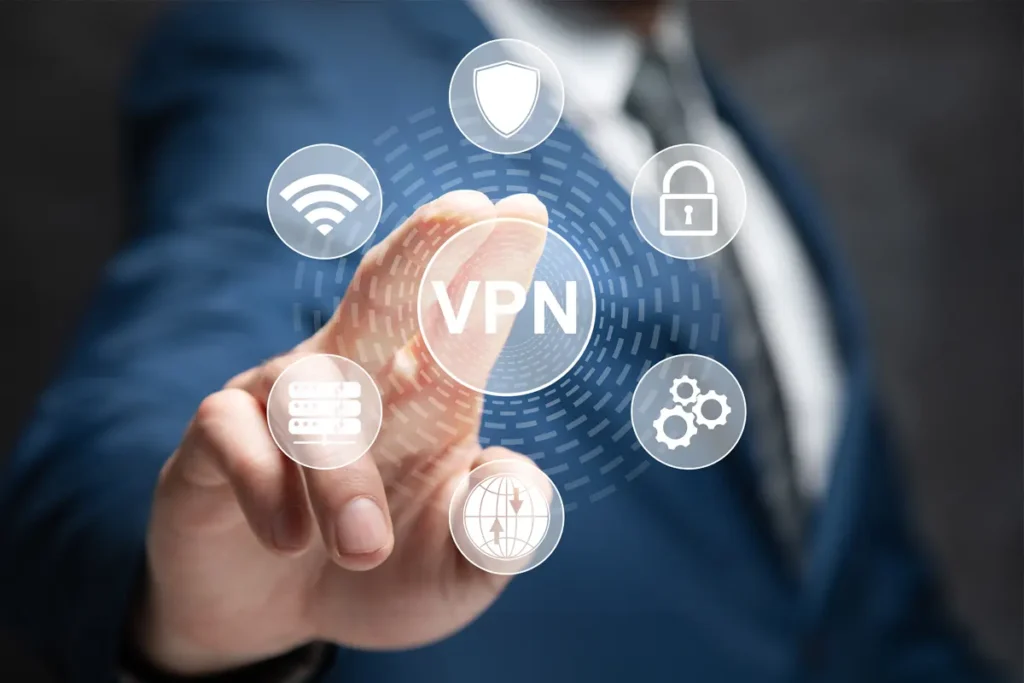
The modern internet was not built with personal privacy as a primary goal. Every search you perform, app you use, and website you visit produces data that can be collected, logged, analyzed, and sometimes sold. At the same time, cybercrime has become more automated and more widespread, affecting everyday users just as often as large organizations. In this environment, using a Virtual Private Network, or VPN, has become a practical tool for staying safe online rather than a niche option for technical users.
Understanding why a VPN matters today requires looking closely at how the internet works, where common risks come from, and how individuals can realistically protect themselves.
The Internet Is Designed to Be Observable
When you connect to the internet without additional protection, your activity travels through networks operated by internet service providers, mobile carriers, public Wi-Fi operators, and other intermediaries. These parties can often see where your traffic is going and, in some cases, collect detailed metadata about your activity.
According to the Electronic Frontier Foundation, internet service providers occupy a unique position of visibility. Even when websites use HTTPS encryption, ISPs can still observe destination domains, timing patterns, and connection behavior. This information may be logged, shared with third parties, or accessed by government agencies depending on local laws.
A VPN reduces this visibility by encrypting your internet traffic before it leaves your device, making it far more difficult for outside parties to monitor your online activity.
Public Wi-Fi Creates Real Security Risks
Public Wi-Fi networks found in airports, hotels, coffee shops, and shared residential spaces remain one of the most common sources of consumer cyber incidents. These networks are often unsecured or poorly configured, which makes it easier for attackers to intercept data or impersonate legitimate access points.
The Federal Trade Commission has repeatedly warned that public Wi-Fi can expose users to risks such as session hijacking, credential theft, and malicious network spoofing. Even familiar locations can host fake networks designed to capture login details or personal data.
Using a VPN on public Wi-Fi encrypts your connection, which helps ensure that intercepted data cannot be read or misused.
Online Tracking Has Become the Default
One of the most significant changes to the internet over the past decade has been the normalization of continuous data collection. Websites, mobile apps, advertisers, and analytics platforms routinely gather behavioral data to build detailed user profiles.
The National Institute of Standards and Technology has noted that privacy risks increasingly come from aggregation. Small data points such as IP addresses, browsing habits, and location signals can be combined to reveal sensitive personal patterns.
A VPN helps limit this exposure by masking your IP address, which is one of the most common identifiers used in tracking and profiling.
VPNs Focus on Security, Not Suspicion
VPNs are often misunderstood as tools for hiding bad behavior. In reality, their primary purpose is defensive security. VPNs are widely used to protect routine online activities such as:
Online banking and financial transactions
Remote work and cloud access
Email and messaging on shared networks
Safe browsing while traveling
The Cybersecurity and Infrastructure Security Agency consistently recommends encryption and secure connections as foundational cybersecurity practices. VPNs support these recommendations by adding a secure layer between users and the open internet.
Choosing the Right VPN Matters
Not all VPN services offer the same level of protection. Some providers log user activity, inject advertisements, or monetize data in ways that undermine privacy. Security researchers and digital rights advocates have repeatedly emphasized the importance of transparency, strong encryption standards, and verified no-logs policies.
A VPN should reduce risk, not simply shift trust from an internet provider to another opaque entity. Users benefit most from services that clearly document how data is handled and prioritize privacy by design.
VPN Lightning is positioned with this approach in mind, focusing on modern encryption, privacy-first infrastructure, and straightforward protection for everyday internet use rather than marketing-driven claims.
Online Freedom Includes Consistent Access
In many regions, internet access is filtered, throttled, or selectively restricted. Even in countries with open internet policies, users may experience limitations based on location, network type, or service provider practices.
While VPNs are not a universal solution to censorship, they can help users maintain more consistent access when traveling or connecting through unfamiliar networks. This benefit is less about anonymity and more about preserving reliability and user choice online.
Making an Informed Privacy Decision
A VPN is not a replacement for good security habits. Strong passwords, software updates, and cautious browsing remain essential. A VPN does not make users invisible or immune to threats.
What it does provide is a meaningful reduction in everyday risk. It limits exposure on public networks, reduces passive tracking, and protects personal data while it is in transit across the internet.
Conclusion: Privacy Is a Practical Necessity
The internet plays a central role in daily life, yet it continues to expose users to unnecessary surveillance and security risks. As data collection expands and cyber threats become more common, basic protective tools are increasingly essential.
A well-designed VPN offers an accessible way to strengthen online privacy and security. By encrypting traffic, reducing tracking, and safeguarding connections on untrusted networks, VPNs support safer and more informed internet use.
VPN Lightning is built with this modern reality in mind, emphasizing transparency, security, and privacy-first design. For users who want greater control over their online experience, using a VPN is not about hiding. It is about protecting what matters.
About the Author
J.W. Law is a technology researcher and writer with the VPN Lightning Research Team, specializing in cybersecurity, digital privacy, and consumer internet safety. Their work focuses on translating complex technical and policy topics into clear, practical guidance that helps everyday users better understand how the internet works and how to protect themselves online.
Drawing on research from established organizations, J.W. Law produces evidence-based articles that emphasize accuracy, transparency, and informed decision-making. Their writing is designed to support readers who want reliable, non-sensational information about online security, privacy risks, and modern internet use.
Recent VPN News
Online Privacy Tips for Freelancers and Small Businesses
January 13, 2026
10:49 am
No Comments
VPN vs Proxy vs Tor Explained: Understanding the Differences
January 5, 2026
12:50 pm
No Comments
Can Your Internet Provider See What You Do Online?
December 28, 2025
4:39 pm
No Comments
ABOUT THE ARTICLE
Frequently Asked Questions
What does a VPN actually do?
A VPN encrypts your internet traffic and routes it through a secure server. This helps prevent networks, internet service providers, and third parties from easily monitoring your online activity or identifying your real IP address.
Is using a VPN legal?
In most countries, including the United States, using a VPN is legal. Some countries restrict or regulate VPN use, so users should always check local laws when traveling or accessing the internet abroad.
Should I use a VPN at home or only on public Wi-Fi?
Public Wi-Fi presents the highest risk, but using a VPN at home can still provide privacy benefits. A VPN helps reduce tracking by internet service providers and adds an extra layer of protection to everyday browsing.
Does a VPN make you completely anonymous online?
No. A VPN improves privacy and security, but it does not make users anonymous. Websites, accounts, and browser settings can still identify users in other ways if additional privacy steps are not taken.
Will a VPN slow down my internet speed?
A VPN may slightly reduce speed due to encryption and routing, but high-quality VPN services are designed to minimize performance impact. In some cases, a VPN can even improve stability on congested networks.
Is VPN Lightning easy to set up?
Yes. Installation takes only a few minutes. With one-click protection, you are instantly secured on any device
Why is privacy still important if I have nothing to hide?
Privacy is about control, not secrecy. Personal data can be misused, misunderstood, or exposed through breaches. Protecting privacy helps reduce risk and gives users more control over their digital lives.
Every Click. Every Connection. Every Moment Online. Stay Protected.
VPN Lightning provides everything needed for secure, private, and reliable internet access. Connect with fast global speeds, use dedicated IP features, and keep your activity protected with strong encryption, all supported by a strict no-logs policy.
- 30-Day Money-Back Guarantee