
- What is a VPN?
- Features
-
- Download VPN
-
-
Desktop
- Windows VPN
- macOS VPN
- Linux VPN
-
Mobile
- Android VPN
- iOS VPN
-
Browser Extensions
- Chrome Extension
- Firefox Extension
- Edge Extension
-
-
- Pricing
- Support
- VPN News
How Data Brokers Collect and Sell Personal Data
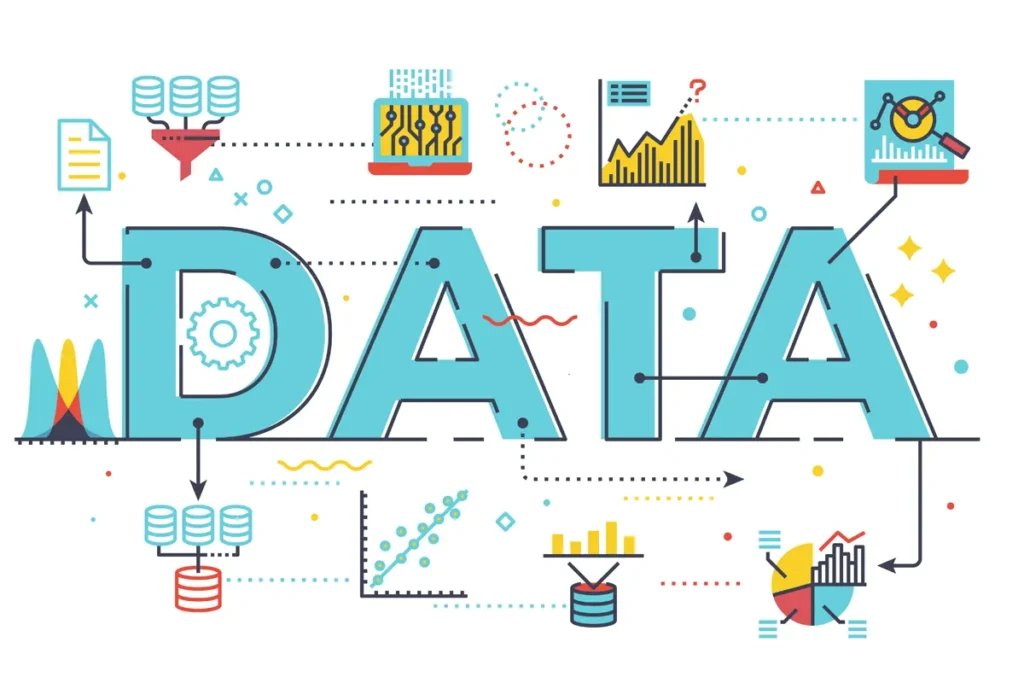
Personal data has become one of the most valuable resources in the digital economy, yet most people have little visibility into how their information is collected or where it ultimately ends up. Every online search, mobile app, purchase, and location signal can contribute to detailed profiles built about individuals, often without their direct knowledge or consent. While many consumers focus on the companies they interact with directly, a large portion of personal data flows through an industry that operates largely behind the scenes.
Data brokers sit at the center of this system. These companies collect information from a wide range of sources, combine it into extensive profiles, and sell or license that data to third parties for advertising, analytics, and risk assessment. Understanding how data brokers collect and sell personal data is an essential step toward making informed decisions about privacy, security, and control in an increasingly data driven world.
Why Data Collection Matters
Every online interaction, purchase, and location ping contributes to an expanding market where information about individuals is collected, analyzed, and sold at scale. Unlike social media platforms or online retailers, many of the companies involved operate quietly in the background, often without consumers knowing their data is being traded.
As privacy concerns grow and high profile data misuse cases continue to surface, understanding how data brokers operate has become essential. These companies play a significant role in shaping how personal information moves through the internet economy, influencing advertising, risk scoring, and even decisions related to housing, employment, and credit.
What Are Data Brokers?
Data brokers are companies that collect personal information from a wide range of sources, aggregate it into profiles, and sell or license that data to third parties. These profiles can include demographic details, purchasing habits, online behavior, location history, and inferred characteristics.
According to the Federal Trade Commission, data brokers often operate outside of direct consumer relationships, meaning individuals may never knowingly interact with the companies that hold their information.
This lack of visibility makes data brokers particularly difficult for consumers to understand or control.
How Data Brokers Collect Personal Data
Data brokers gather information from a combination of public, commercial, and digital sources. Some data is obtained legally through public records, while other data comes from commercial partnerships or online tracking technologies.
Research published by the Consumer Financial Protection Bureau explains that data brokers often purchase information from retailers, loyalty programs, mobile apps, and online services that share or sell user data through contractual agreements.
In addition, tracking technologies such as cookies, mobile advertising IDs, and location services contribute to continuous data collection across websites and apps.
The Types of Data Commonly Sold
The information sold by data brokers can be surprisingly detailed. It often goes far beyond basic contact information.
A report from Mozilla Foundation found that data broker profiles may include interests, habits, political leanings, health related inferences, and real time location data derived from mobile devices.
This data is frequently categorized and scored, allowing buyers to target or evaluate individuals based on predicted behavior rather than confirmed facts.
Who Buys This Data and Why
Data broker information is used by a wide range of industries. Advertisers rely on it for targeted marketing. Insurance companies may use it for risk assessment. Employers and landlords have also been known to access data driven screening tools.
According to a report from the Government Accountability Office, the same datasets may be sold to multiple buyers, increasing the risk of misuse or unintended consequences.
Once data enters the broker ecosystem, it can be difficult to track how it is reused or combined with other datasets.
The Risks to Consumers
The sale of personal data creates several risks for individuals. Inaccurate profiles can lead to unfair decisions. Sensitive data can be exposed through breaches. Location information can be misused for surveillance or harassment.
Academic research from Princeton University Center for Information Technology Policy has shown that data aggregation can reveal sensitive personal patterns even when individual data points appear harmless.
These risks are compounded by the fact that consumers often have limited ability to see, correct, or delete the data held about them.
What the Law Says About Data Brokers
In the United States, there is no single comprehensive federal law regulating data brokers. Instead, oversight is fragmented across consumer protection, financial, and sector specific regulations.
The Brookings Institution has noted that this regulatory gap allows data brokers to operate with limited transparency compared to companies that interact directly with consumers.
Some states have introduced registration and disclosure requirements, but enforcement remains inconsistent.
What Individuals Can Do to Reduce Exposure
While it is difficult to completely opt out of the data broker economy, individuals can take steps to reduce exposure. Limiting app permissions, disabling unnecessary location sharing, and reviewing privacy settings across services can reduce data flow.
Using privacy focused tools such as VPNs can also help limit certain forms of tracking by masking IP addresses and encrypting network traffic. VPN Lightning is designed to support this kind of practical privacy protection by reducing exposure at the network level without disrupting everyday internet use.
Conclusion: Understanding the Data Broker Economy
Data brokers play a powerful but often invisible role in the modern internet. By collecting and selling personal information at scale, they influence how individuals are tracked, targeted, and evaluated across digital and physical spaces.
Understanding how this system works is the first step toward making informed privacy decisions. While regulation continues to evolve, awareness and proactive privacy practices remain essential. In a data driven world, control begins with knowledge and thoughtful use of tools that help protect personal information where possible.
About the Author
J.W. Law is a technology researcher and writer with the VPN Lightning Research Team, specializing in cybersecurity, digital privacy, and consumer internet safety. Their work focuses on translating complex technical and policy topics into clear, practical guidance that helps everyday users better understand how the internet works and how to protect themselves online.
Drawing on research from established organizations, J.W. Law produces evidence-based articles that emphasize accuracy, transparency, and informed decision-making. Their writing is designed to support readers who want reliable, non-sensational information about online security, privacy risks, and modern internet use.
Recent VPN News
Data Breaches in 2025 and What Everyone Should Know
December 24, 2025
7:56 pm
No Comments
Why You Should Use a VPN: A Practical Guide to Privacy
December 22, 2025
5:30 pm
No Comments
What Is a Virtual Private Network and How Does It Work?
December 20, 2025
7:53 pm
No Comments
ABOUT THE ARTICLE
Frequently Asked Questions
Can my ISP see my browsing history?
Internet providers can typically see the websites your device connects to through domain names and metadata, even if they cannot read the actual content of encrypted pages. Over time, this information can reveal patterns about browsing behavior, interests, and usage habits.
Does private or incognito mode hide activity from my ISP?
No. Private or incognito mode only prevents your browser from saving local history, cookies, and form data on your device. It does not affect how traffic travels across networks or what your internet provider can observe.
What information does HTTPS protect?
HTTPS encrypts the content exchanged between your browser and a website, such as messages, passwords, and page content. However, it does not fully hide metadata like destination domains, connection timing, or data volume, which may still be visible to network operators.
Can ISPs track activity across different devices?
Yes. When multiple devices connect through the same home network or account, providers may associate activity patterns with that connection. This does not mean they can identify individual users, but it can link usage to a household or account.
How does a VPN change what my ISP can see?
A VPN encrypts your internet traffic before it reaches your provider and routes it through a secure server. This prevents ISPs from easily seeing which websites you visit or what DNS requests you make, though they can still see that a VPN connection is being used.
Does using a VPN make me anonymous online?
No. A VPN improves privacy and reduces network visibility, but it does not provide complete anonymity. Websites you log into, browser fingerprinting, and account activity can still identify you unless additional privacy measures are taken.
Why does ISP visibility matter for privacy?
Browsing data and metadata can reveal sensitive information over time, including interests, habits, health research, or financial activity. Reducing unnecessary exposure helps users maintain greater control over their digital lives.
Every Tap. Every Screen. Every Connection. Stay Secure.
VPN Lightning goes beyond standard safeguards. It delivers a unified system for speed, privacy, and digital security. Access lightning-fast routing, select a dedicated IP when necessary, and remain concealed through a strict no-logs commitment. Easy to manage, resilient by design, and created to keep you protected.
- 30-Day Money-Back Guarantee