

- What is a VPN?
- Features
-
- Download VPN
-
-
Desktop
- Windows VPN
- macOS VPN
- Linux VPN
-
Mobile
- Android VPN
- iOS VPN
-
Browser Extensions
- Chrome Extension
- Firefox Extension
- Edge Extension
-
-
- Pricing
- Support
- VPN News
In this article:
- Why “Emerging Threats” Are Changing So Fast
- AI-Enhanced Phishing and Social Engineering
- Identity Attacks: Stolen Tokens, MFA Bypass, and Account Takeover
- Infostealers and the Credential Economy
- Ransomware Shifts Toward Speed and Data Extortion
- Cloud and SaaS Exposure: Misconfigurations and API Key Theft
- Exploitation of Vulnerabilities and Edge Devices
- Software Supply Chain and Third Party Risk
- Practical Steps to Lower Your Risk
Emerging Cybersecurity Threats to Watch in 2026
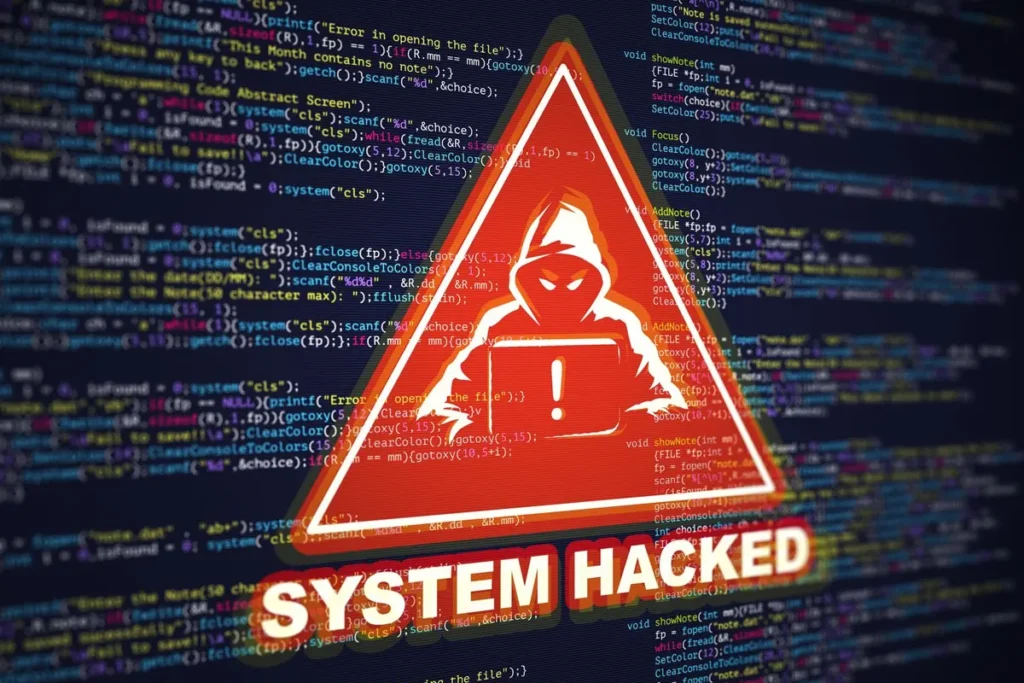
Cybersecurity is no longer a concern limited to large corporations or government agencies. It affects anyone who uses email, shops online, manages money through mobile apps, works remotely, or stores personal information in cloud based services. As daily life becomes more dependent on digital systems, the consequences of a single security failure grow more immediate and more personal.
What has changed most dramatically is not only how often cyber incidents occur, but how quickly they unfold. Criminal groups and state aligned actors increasingly rely on automation, stolen credentials, and ready made underground services that allow complex attacks to be carried out with speed and scale. Many modern incidents begin with something simple, such as a compromised password or a convincing message, and escalate rapidly into identity theft, fraud, or extortion. Understanding the emerging threats shaping this environment is essential for anyone who wants to reduce risk and make informed decisions about online safety.
Why “Emerging Threats” Are Changing So Fast
Cyber threats are evolving faster because attackers no longer need to develop new techniques from scratch. Instead, they combine well known methods with automation, shared tooling, and access to large pools of stolen data. According to the European Union Agency for Cybersecurity (ENISA), ransomware, phishing, and exploitation of known vulnerabilities remain the most prevalent threats, but the time between initial compromise and serious impact has shortened significantly.
This acceleration is driven by criminal marketplaces that sell credentials, malware kits, and direct access to compromised systems. These services lower the technical barrier to entry and allow attacks to be repeated at scale. For individuals, this means that a single compromised account can quickly lead to financial loss, identity misuse, or secondary attacks that target family members, coworkers, or social contacts.
AI-Enhanced Phishing and Social Engineering
Phishing remains one of the most effective attack methods, but its form has changed. Rather than generic mass emails filled with errors, many campaigns now use carefully written messages that closely resemble legitimate communications. The Microsoft Digital Defense Report documents how attackers increasingly use generative tools to improve language quality, mirror corporate tone, and personalize messages using publicly available information.
These attacks often arrive as delivery notifications, billing issues, account warnings, or urgent requests from trusted contacts. Some campaigns also use voice cloning or video manipulation to impersonate executives or family members. Security researchers emphasize that visual polish is no longer a reliable indicator of legitimacy, making independent verification essential for any message that requests sensitive information or urgent action.
.
Identity Attacks: Stolen Tokens, MFA Bypass, and Account Takeover
Identity has become one of the most valuable targets in modern cyber attacks. Rather than breaking into devices directly, many attackers focus on gaining access to accounts and then using legitimate tools and permissions. The CrowdStrike Global Threat Report highlights a growing shift toward malware free intrusions, where attackers rely on stolen credentials, session tokens, and social engineering rather than exploiting software flaws.
Common techniques include stealing session cookies to bypass multi factor authentication, overwhelming users with repeated MFA prompts until one is approved, or impersonating help desk staff to reset account access. Once attackers control an email account, they often use it to reset passwords across banking, social media, and cloud services, allowing damage to spread quickly.
Infostealers and the Credential Economy
One of the most significant emerging threats is the rise of infostealer malware. These tools quietly collect saved passwords, browser data, authentication tokens, and sometimes financial or cryptocurrency information. The IBM X Force Threat Intelligence Index reports sustained growth in infostealers as a primary driver of cybercrime activity.
The Verizon Data Breach Investigations Report reinforces this trend, showing that stolen credentials remain one of the most common elements in confirmed breaches.
Once collected, credentials are sold through underground markets where access to accounts can be purchased and reused. This economy allows attackers to bypass early security controls and move directly to fraud, extortion, or identity theft, often without deploying additional malware.
Ransomware Shifts Toward Speed and Data Extortion
Ransomware attacks have evolved from simple file encryption into broader extortion campaigns. The Sophos Threat Report shows that many attackers now prioritize stealing data before deploying encryption, using the threat of public disclosure as leverage.
Mandiant M Trends reporting confirms that ransomware groups frequently gain initial access through stolen credentials or infostealers, allowing them to move quickly inside networks.
Even when encryption is prevented or backups are available, the exposure of personal or sensitive data can create long term financial, legal, and reputational harm for individuals and organizations alike.
Cloud and SaaS Exposure: Misconfigurations and API Key Theft
As more activity shifts to cloud platforms and subscription based services, attackers increasingly target cloud accounts rather than physical devices. Microsoft security research documents numerous cases where exposed API keys, compromised cloud credentials, or overly permissive app integrations were used to access email, files, and internal systems.
For individual users, these attacks often result in email takeover, hijacked social media accounts, or unauthorized access to stored documents and photos. Reviewing connected apps, limiting permissions, and securing primary cloud accounts have become essential personal security practices.
Exploitation of Vulnerabilities and Edge Devices
Attackers continue to exploit software vulnerabilities, but the window between disclosure and exploitation has narrowed significantly. ENISA identifies edge devices such as routers, remote access tools, and network appliances as frequent targets due to their exposure and inconsistent patching.
Sophos research also shows that outdated devices and exposed remote services are common entry points in serious incidents.
For everyday users, this highlights the importance of keeping devices updated and replacing hardware that no longer receives security patches.
Software Supply Chain and Third Party Risk
Supply chain attacks increasingly affect consumers through compromised browser extensions, software libraries, ad networks, and third party services. When trusted software relies on other components, compromise can cascade silently to end users.
Security analysts consistently recommend limiting browser extensions, reviewing permissions, and removing unused services as practical ways to reduce inherited risk. Trust should be granted intentionally rather than assumed.
Practical Steps to Lower Your Risk
While no single measure eliminates cyber risk, the following habits significantly reduce exposure across emerging threat categories:
-
Use unique passwords stored in a password manager
-
Enable multi factor authentication on critical accounts
-
Protect your primary email account with extra security controls
-
Keep devices, browsers, and routers updated
-
Review app and service permissions regularly
-
Verify urgent requests through trusted channels
-
Use a VPN on untrusted networks, especially public Wi-Fi
A privacy first VPN such as VPN Lightning is not a complete security solution, but it can reduce network level exposure by encrypting traffic and limiting passive monitoring on shared networks.
Conclusion: Build Habits That Scale With Modern Threats
Emerging cybersecurity threats are defined less by novelty and more by efficiency. Identity abuse, infostealers, AI enhanced phishing, and cloud account takeover allow attackers to scale harm quickly and repeatedly.
The most effective response is preparation rather than panic. Strong identity protection, updated systems, careful verification, and privacy focused tools all contribute to safer internet use. In a threat landscape shaped by automation and speed, informed habits remain one of the strongest defenses available.
About the Author
J.W. Law is a technology researcher and writer with the VPN Lightning Research Team, specializing in cybersecurity, digital privacy, and consumer internet safety. Their work focuses on translating complex technical and policy topics into clear, practical guidance that helps everyday users better understand how the internet works and how to protect themselves online.
Drawing on research from established organizations, J.W. Law produces evidence-based articles that emphasize accuracy, transparency, and informed decision-making. Their writing is designed to support readers who want reliable, non-sensational information about online security, privacy risks, and modern internet use.
Recent VPN News
Online Privacy Tips for Freelancers and Small Businesses
January 13, 2026
10:49 am
No Comments
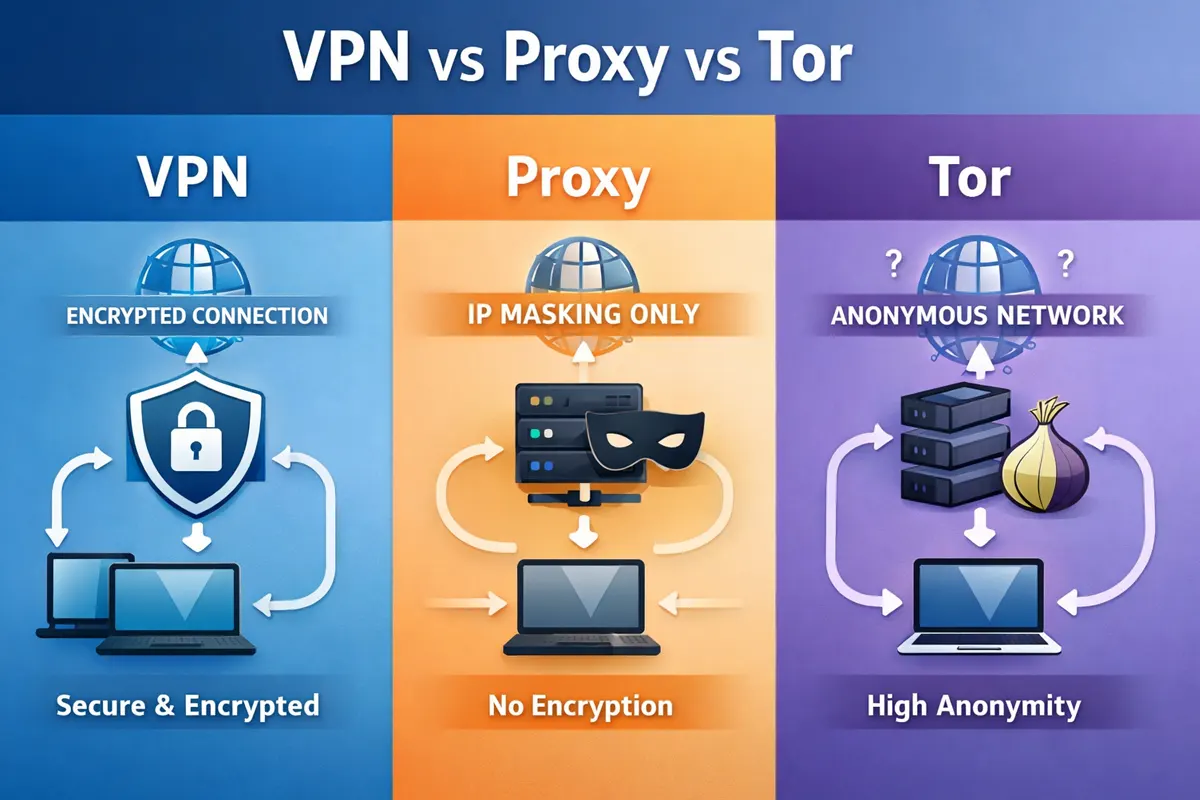
VPN vs Proxy vs Tor Explained: Understanding the Differences
January 5, 2026
12:50 pm
No Comments
Can Your Internet Provider See What You Do Online?
December 28, 2025
4:39 pm
No Comments
ABOUT THE ARTICLE
Frequently Asked Questions
What is a data breach?
A data breach occurs when unauthorized parties gain access to sensitive or personal information stored by an organization.
Are my passwords safe if a company gets breached?
If you reuse passwords across services, a breach at one company could put multiple accounts at risk. Use unique passwords and multi-factor authentication.
Can a VPN prevent data breaches?
A VPN does not stop breaches at third parties, but it helps protect your online connections and reduces the risk of interception or credential theft on insecure networks.
What should I do if my data was exposed in a breach?
Change passwords immediately, enable multi-factor authentication, watch for suspicious activity, and consider identity monitoring.
How common are data breaches today?
Data breaches continue to rise globally, with thousands reported annually across industries. In 2025 alone, reports suggest over 2,500 known incidents.
Every Action. Every Site. Every Moment. Remain Secure.
VPN Lightning provides more than standard security. It is a full solution for performance, confidentiality, and digital protection. Enjoy blazing-fast networks, select a personal IP if required, and remain unseen through a no-logs policy. Easy to operate, resilient by design, and engineered to keep users protected.
- 30-Day Money-Back Guarantee