
- What is a VPN?
- Features
-
- Download VPN
-
-
Desktop
- Windows VPN
- macOS VPN
- Linux VPN
-
Mobile
- Android VPN
- iOS VPN
-
Browser Extensions
- Chrome Extension
- Firefox Extension
- Edge Extension
-
-
- Pricing
- Support
- VPN News
Data Breaches in 2025 and What Everyone Should Know
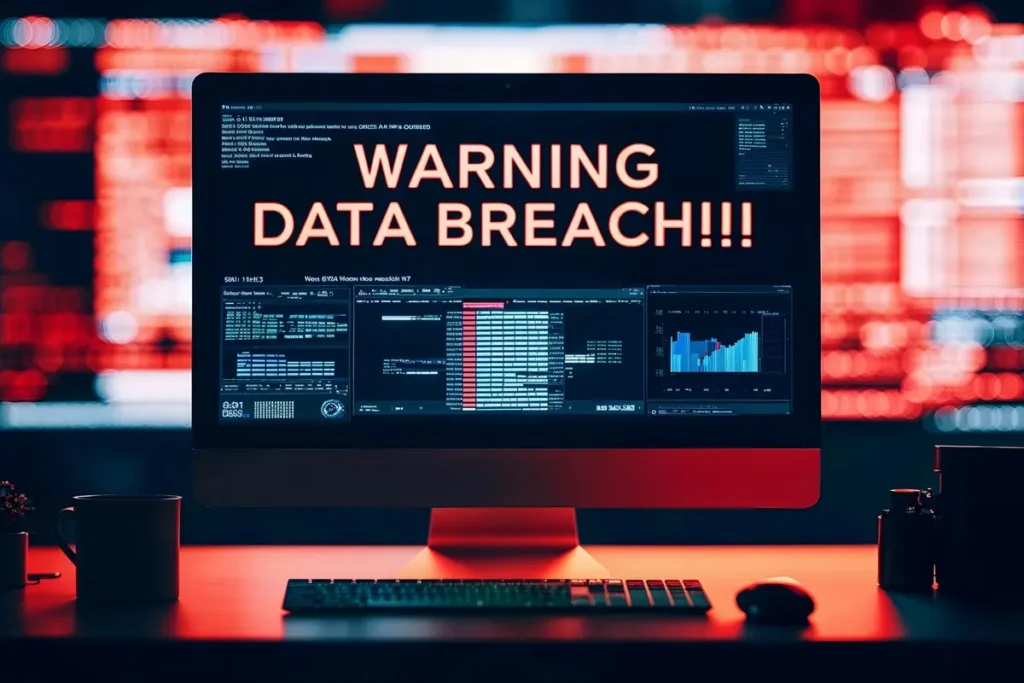
Data breaches continue to shape the digital risk landscape in 2025. From healthcare providers to financial institutions and global service companies, security incidents are exposing personal data at an unprecedented scale. These breaches matter because the information involved is often sensitive enough to enable identity theft, financial fraud, and long term privacy harm. Understanding how breaches occur, what recent incidents reveal, and how individuals can reduce exposure is essential for anyone using the modern internet.
What Is a Data Breach?
A data breach occurs when unauthorized parties gain access to confidential or sensitive information held by an organization. This data may include names, email addresses, login credentials, financial records, medical information, or government identifiers. Once exposed, this information can be misused, resold, or leveraged in future attacks.
Recent Data Breaches Highlight Ongoing Risk
Several well documented incidents over the past year illustrate how widespread and persistent data breaches remain.
In early 2025, healthcare data analytics firm Episource disclosed a breach affecting more than 5.4 million individuals, exposing personal and insurance related information. The incident highlights ongoing vulnerabilities within the healthcare sector, which remains a frequent target due to the value of medical data.
Reuters has reported on multiple large scale security incidents involving telecommunications and financial services companies, noting that breaches increasingly originate through third party vendors and service providers rather than direct attacks on primary systems.
The Electronic Frontier Foundation also tracks major breach disclosures annually, emphasizing that many incidents go underreported and that exposed data often remains in circulation for years.
Why Data Breaches Keep Happening
There is no single cause behind modern data breaches. However, security research and government agencies consistently identify several recurring factors.
Compromised credentials remain one of the most common entry points for attackers. Stolen or reused passwords allow unauthorized access without triggering traditional security defenses. Industry reporting shows credential theft continues to play a role in a significant percentage of confirmed breaches.
Third party risk is another major contributor. Organizations increasingly rely on external vendors, cloud services, and contractors. A weakness in one partner system can expose data across multiple organizations.
Unpatched software vulnerabilities also remain a persistent issue. According to academic security research, delays in applying security updates significantly increase the likelihood of successful exploitation.
How Data Breaches Affect Individuals
For everyday users, the impact of a data breach can extend far beyond the initial incident.
Stolen personal information can be used to open fraudulent accounts, bypass identity verification, or launch targeted phishing attacks. Financial data may be used directly for theft or sold to criminal networks. Even years after a breach, exposed credentials can resurface in new attacks.
The Federal Trade Commission warns that identity theft often begins with data obtained through breaches and advises consumers to act quickly after receiving breach notifications.
What Individuals Can Do to Reduce Risk
While individuals cannot prevent corporate breaches, they can reduce personal exposure.
The Federal Trade Commission recommends using unique passwords for every account and enabling multi factor authentication whenever available.
Keeping devices and applications updated is also critical. The Cybersecurity and Infrastructure Security Agency consistently emphasizes patch management as a core defense against known exploits.
Monitoring financial accounts and credit reports can help detect misuse early following a breach.
Where VPNs Fit Into Data Protection
A VPN does not prevent data breaches at companies that store your information. However, it plays an important role in protecting data while it is being transmitted.
By encrypting internet traffic and masking IP addresses, a VPN reduces the risk of interception on public or untrusted networks. This is particularly relevant when accessing sensitive accounts on hotel, airport, or shared Wi-Fi.
VPN Lightning is designed to support this defensive layer by providing encrypted connections and privacy focused infrastructure without relying on exaggerated claims.
Conclusion: Understanding Data Breaches
Data breaches remain one of the most significant risks facing internet users today. The frequency of incidents, combined with the long term misuse of exposed data, makes education and awareness essential. While no single tool offers complete protection, informed habits combined with layered security measures can meaningfully reduce risk.
Understanding how breaches happen, responding quickly when they occur, and using tools that protect data in transit are key steps toward safer internet use. VPN Lightning fits into this broader strategy by helping users protect their connections and maintain greater control over their digital privacy.
About the Author
J.W. Law is a technology researcher and writer with the VPN Lightning Research Team, specializing in cybersecurity, digital privacy, and consumer internet safety. Their work focuses on translating complex technical and policy topics into clear, practical guidance that helps everyday users better understand how the internet works and how to protect themselves online.
Drawing on research from established organizations, J.W. Law produces evidence-based articles that emphasize accuracy, transparency, and informed decision-making. Their writing is designed to support readers who want reliable, non-sensational information about online security, privacy risks, and modern internet use.
Recent VPN News
Online Privacy Tips for Freelancers and Small Businesses
January 13, 2026
10:49 am
No Comments
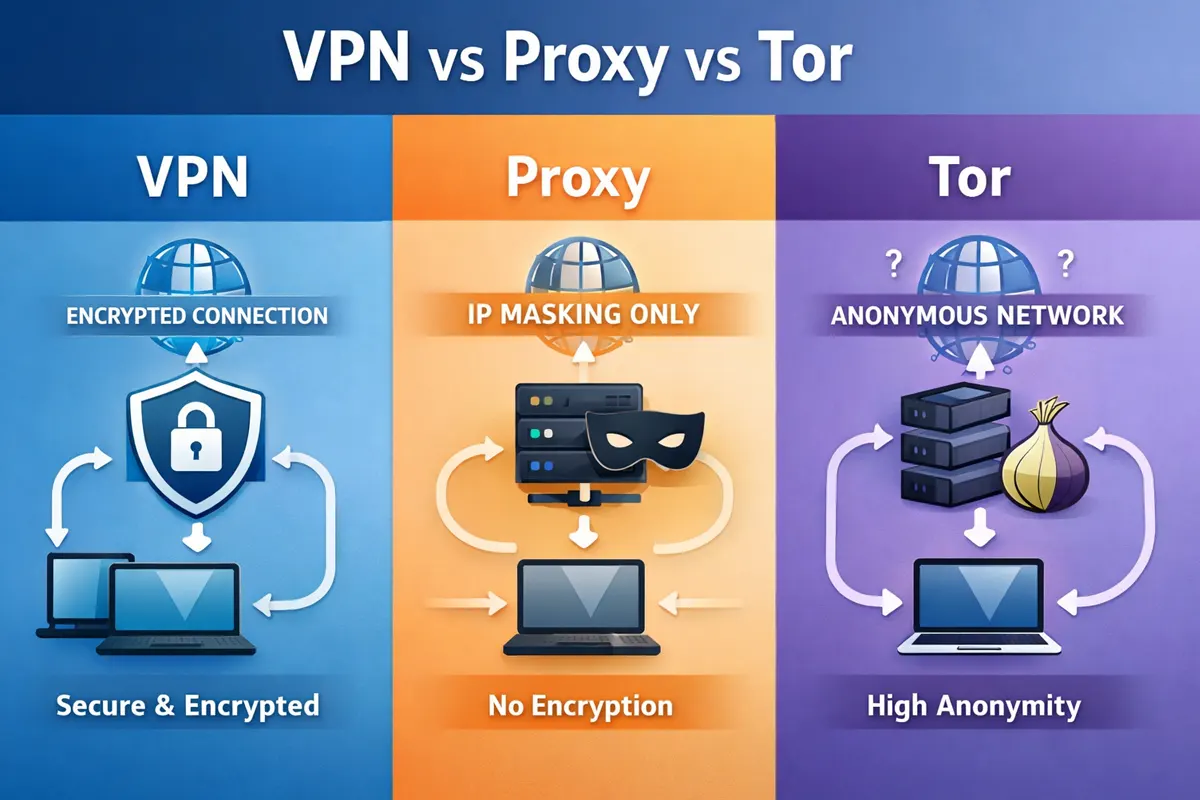
VPN vs Proxy vs Tor Explained: Understanding the Differences
January 5, 2026
12:50 pm
No Comments
Can Your Internet Provider See What You Do Online?
December 28, 2025
4:39 pm
No Comments
ABOUT THE ARTICLE
Frequently Asked Questions
What is a data breach?
A data breach occurs when unauthorized parties gain access to sensitive or personal information stored by an organization.
Are my passwords safe if a company gets breached?
If you reuse passwords across services, a breach at one company could put multiple accounts at risk. Use unique passwords and multi-factor authentication.
Can a VPN prevent data breaches?
A VPN does not stop breaches at third parties, but it helps protect your online connections and reduces the risk of interception or credential theft on insecure networks.
What should I do if my data was exposed in a breach?
Change passwords immediately, enable multi-factor authentication, watch for suspicious activity, and consider identity monitoring.
How common are data breaches today?
Data breaches continue to rise globally, with thousands reported annually across industries. In 2025 alone, reports suggest over 2,500 known incidents.
Every Action. Every Site. Every Moment. Remain Secure.
VPN Lightning provides more than standard security. It is a full solution for performance, confidentiality, and digital protection. Enjoy blazing-fast networks, select a personal IP if required, and remain unseen through a no-logs policy. Easy to operate, resilient by design, and engineered to keep users protected.
- 30-Day Money-Back Guarantee